Permaculture in Timor-Leste
Long-term nature-based solutions
Permaculture is a design system that aims to create sustainable and locally sufficient communities and agricultural systems by mimicking natural ecosystems. It emphasizes working with nature rather than against it, focusing on ethical principles like care for the Earth, care for people, and fair share. Permaculture consciencely integrates various systems, fostering beneficial relationships between systems to achieve high yields with low inputs, leaving people, the environment, the land, water supply and food systems in a better condition.
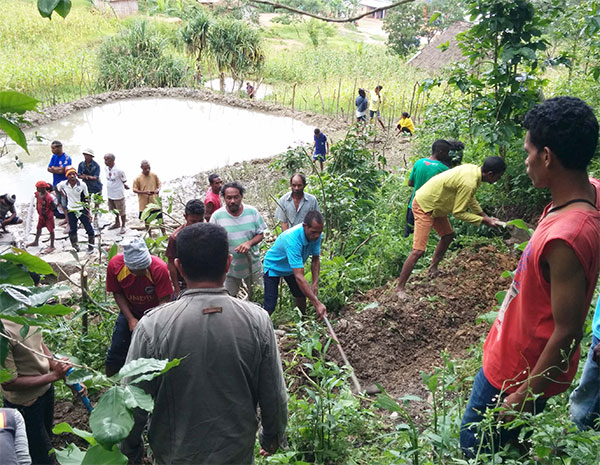
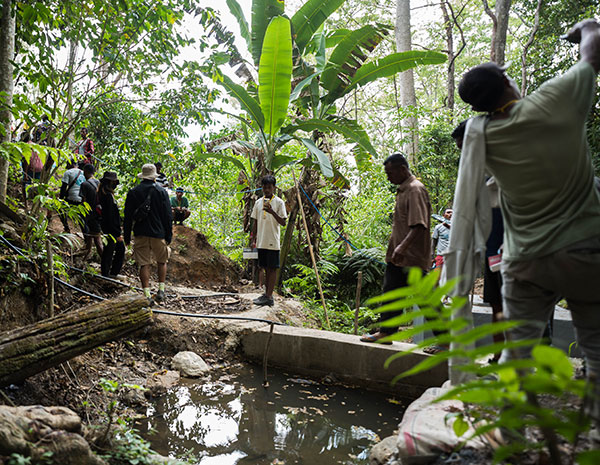
In Timor-Leste, the seed of permaculture was first introduced to the country by Ego Lemos when he founded Permatil (permaculture Timor Leste). Today, permaculture is an important part of Timorese water and land management, improving food, water and climate resilience, leading to stronger communities.
In 2023, the seeds of the PermaYouth Association were sown, with the alumni of the Timorese PermaYouth movement coming together to advance the PermaYouth movement both nationally and internationally.
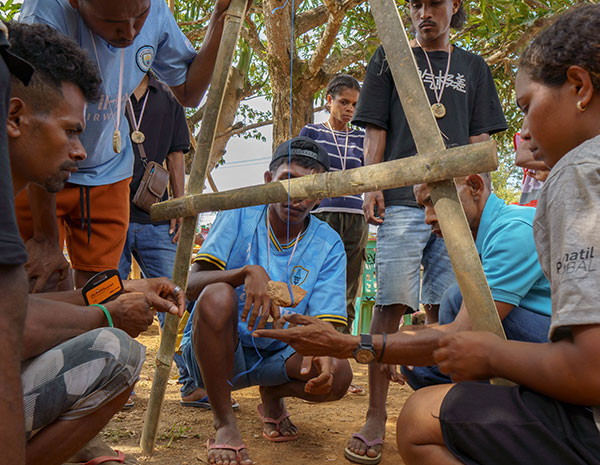
In 2025, the PermaYouth Association, with support from Permatil and Permatil Global hosted the inaugural International PermaYouth Convergence in Timor-Leste. A celebration of permaculture, arts, culture and music the event will bring together delegations of youth and their community leaders from six continents. Participants will have six days to participate in permaculture practice, learn from one another, share stories, make friendships and become part of a global youth network of future caretakers of our planet.
Permaculture’s positive impact
1. Household and community impacts
- Improved access to water, both in volume and year-round supply
- Improved and more varied food production and food resilience/sovereignty
- Improved technical knowledge and capacity to design and implement sustainable solutions
- Environmental literacy and resilience through improved water supply, production, diversification
- Reduced work burden, particularly on women and children
- Increasing household resilience and ability to mitigate, adapt and cope with climate change
- Increased capacity to build/repair using natural construction and building techniques
- Decreased reliance on fossil fuels and polluting resources through use of appropriate technologies
2. Health impacts
- Cleaner and more reliable drinking and household water for cooking, washing and sanitation
- Health and nutrition improvements, growing more nutritious food and improved production
- Less waste and less problems from waste such as contaminated water supply, stagnant water, rubbish problems and poor animal manure management.
- Healthier and cleaner living spaces, especially kitchens
3. Economic impacts
- Improved water supply leading to increased livelihood opportunities
- Improved and more varied food production for stable income and surplus for local markets
- Improved technical knowledge and ability
- Greater opportunities for local enterprises and value adding
- Increased money circulation in local economies
- Reduced need to spend money on food production and imported goods
4. Environmental impacts
- Less air, water, ocean and soil pollutants
- Practical and theoretical understanding of sustainable communities and their connection with the environment
- Cleaner, protected springs and healthier and cleaner river systems and water sources
- Increase in ecosystem restoration and increased rainfall following from ecosystem restoration practices
- Reduced burning and erosion problems, improved soil and land management
- Landslides and flooding potential is reduced and/or prevented
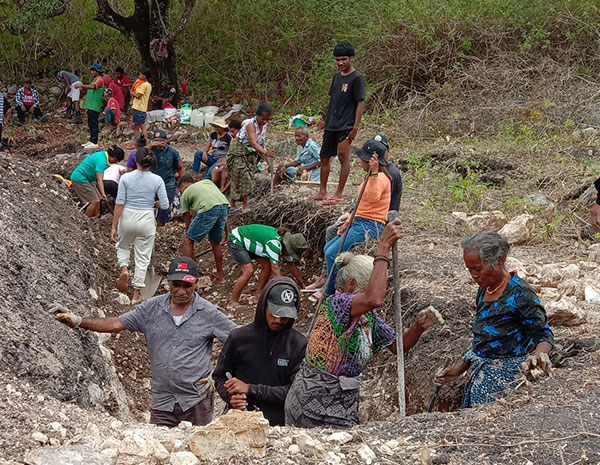
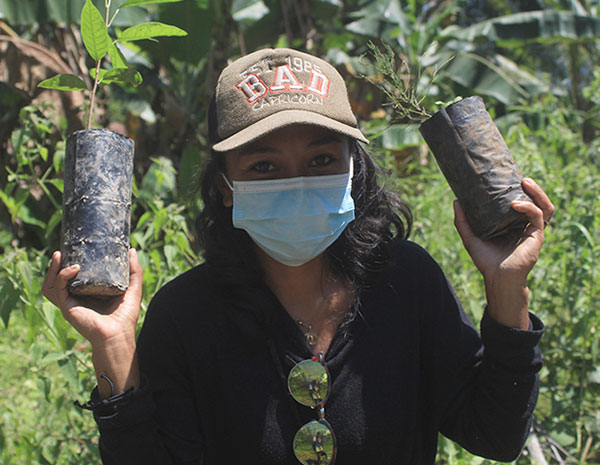
- Reforestation and sustainable agro-forestry skills from nursery to harvest
- Improved holistic land management techniques with integrated animal grazing strategies
- Increased use of renewable energy sources and less fuel use, especially wood, from improved kitchen technologies
Impacts for development interventions
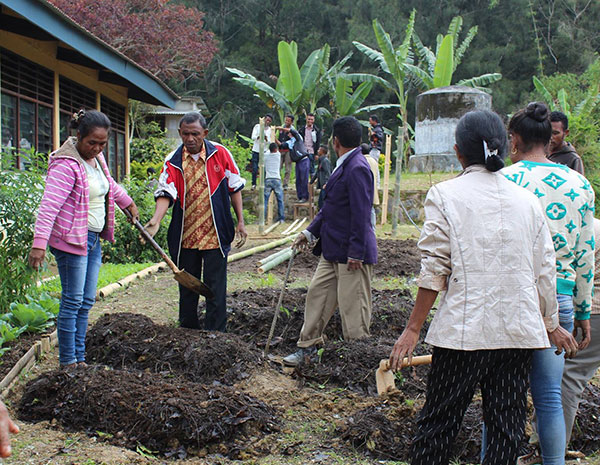
- Providing comprehensive reference and education sources for projects and activities
- Improving quality and outcomes of trainings, demonstration sites and projects
- Increasing the potential for duplication of training and demonstration activities
- Used as a base for curriculum materials for schools and universities