Water restoration and
catchment management
Planting Water, Growing Communities
‘Water is the essence of all life – without water we have no resilience’
The idea of planting water originated in Zimbabwe by a rain farmer, Zephaniah Phiri Maseko, as an effective way to replenish water-sources in dry-land environments. Permatil has successfully adapted this idea and proven the benefits that come from innovative and effective watershed management practices in tropical environments, such as in Timor-Leste.
Why plant water?
The problem – a global issue
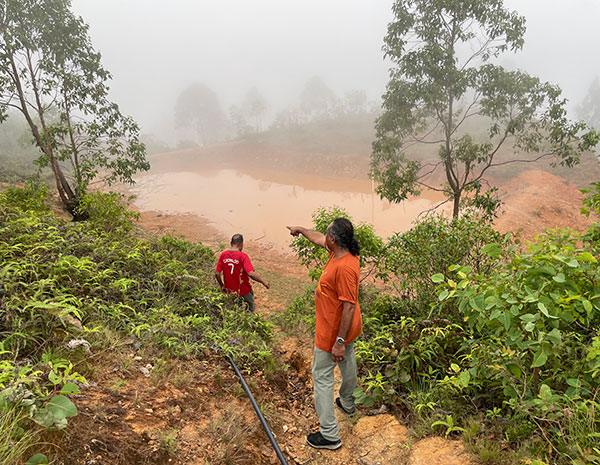
Water security and water catchment management are two of our most pressing global issues and this will only increase with the impacts of climate change. The flow-on effects for food security, economic stability, health, wellbeing and the environment cannot be understated.
With poor land and water management comes instability leading to:
- increased run off and top-soil erosion
- increased drought and natural disaster impact such as flooding and landslides
- natural spring reduction
- greatly reduced access to clean water supplies
- reduced crop-yields and negative impacts on livelihoods
- food insecurity and malnutrition.
The solution – improved land and water management
Effective land and water management is essential to water resilience. Water catchment systems exponentially expand the land mass benefiting from rainfall, while reducing and slowing the water that enters river systems, reducing and preventing flooding and landslides. This enhances environmental restoration of fragile and damaged ecosystems and provides better protection for estuaries and coastal ocean eco-systems by ensuring:
- rainwater is spread and stored in the ground
- aquifers are replenished and natural springs are restored
- small reservoirs fill, providing water for animals, trees, and agriculture
- precious topsoil is protected
- crop yields are more consistent
- drought impacts are reduced.
Permatil’s on-the-ground approach – leading to global solutions
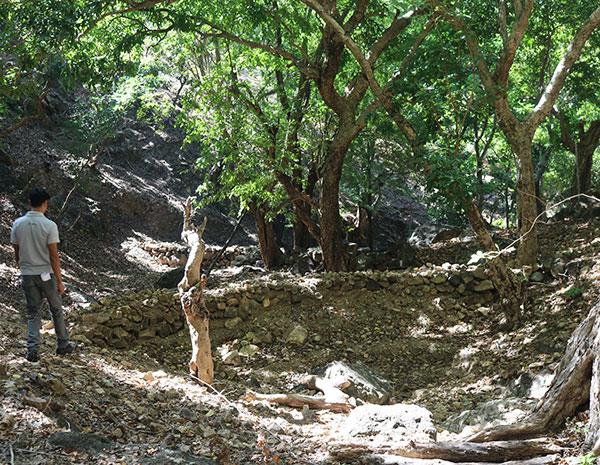
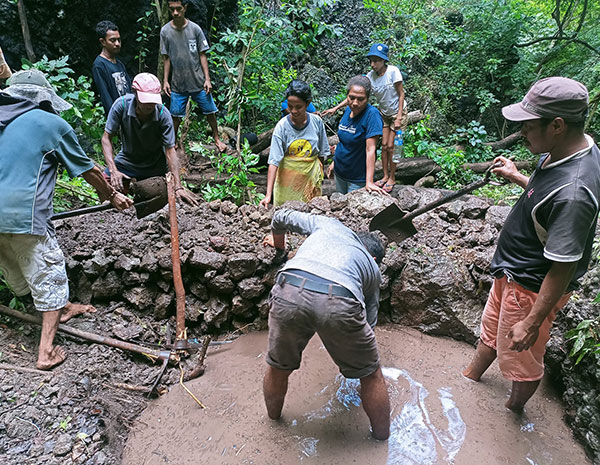
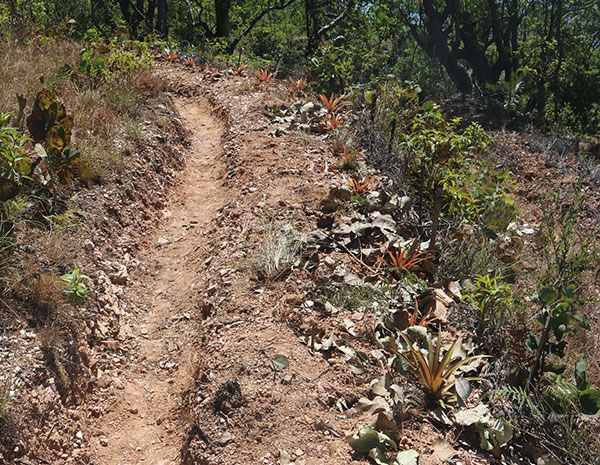
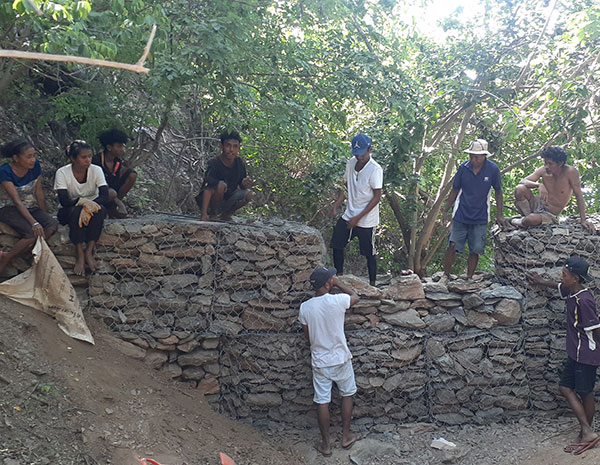
Through Permatil’s work in Timor-Leste, over 700 water springs are flowing again, benefiting thousands of communities across the country, with the number growing every month. Many positive impacts are being seen from mountainous inland regions, right through the river systems to coastal towns, estuaries and beyond to the reefs and oceans. These impacts include a reduction in flooding and landslides, the planting of tens of thousands of ecological-appropriate tree species, leading to natural ecosystem recovery after only one to two years, with even more water being caught and returned into the sub-ground aquifers.
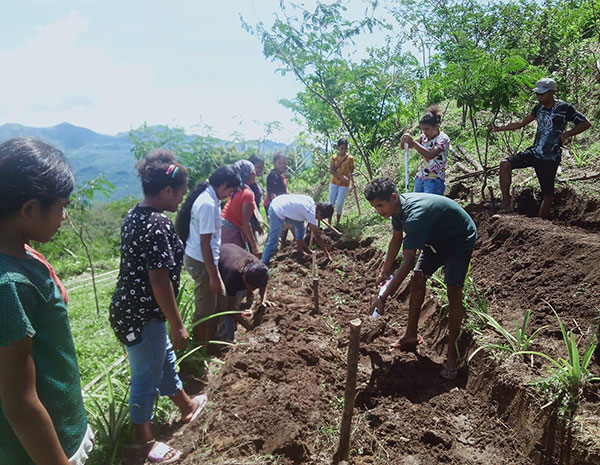
These restoration projects bring indigenous knowledge together with permaculture strategies and techniques to create localised solutions for each site. A focus on youth training and leadership in water restoration and catchment management, agriculture, agroforestry, agroecology, livestock, horticulture, ecotourism and more, providing rural livelihood opportunities for young people and to lead nature-based solutions throughout their communities.